




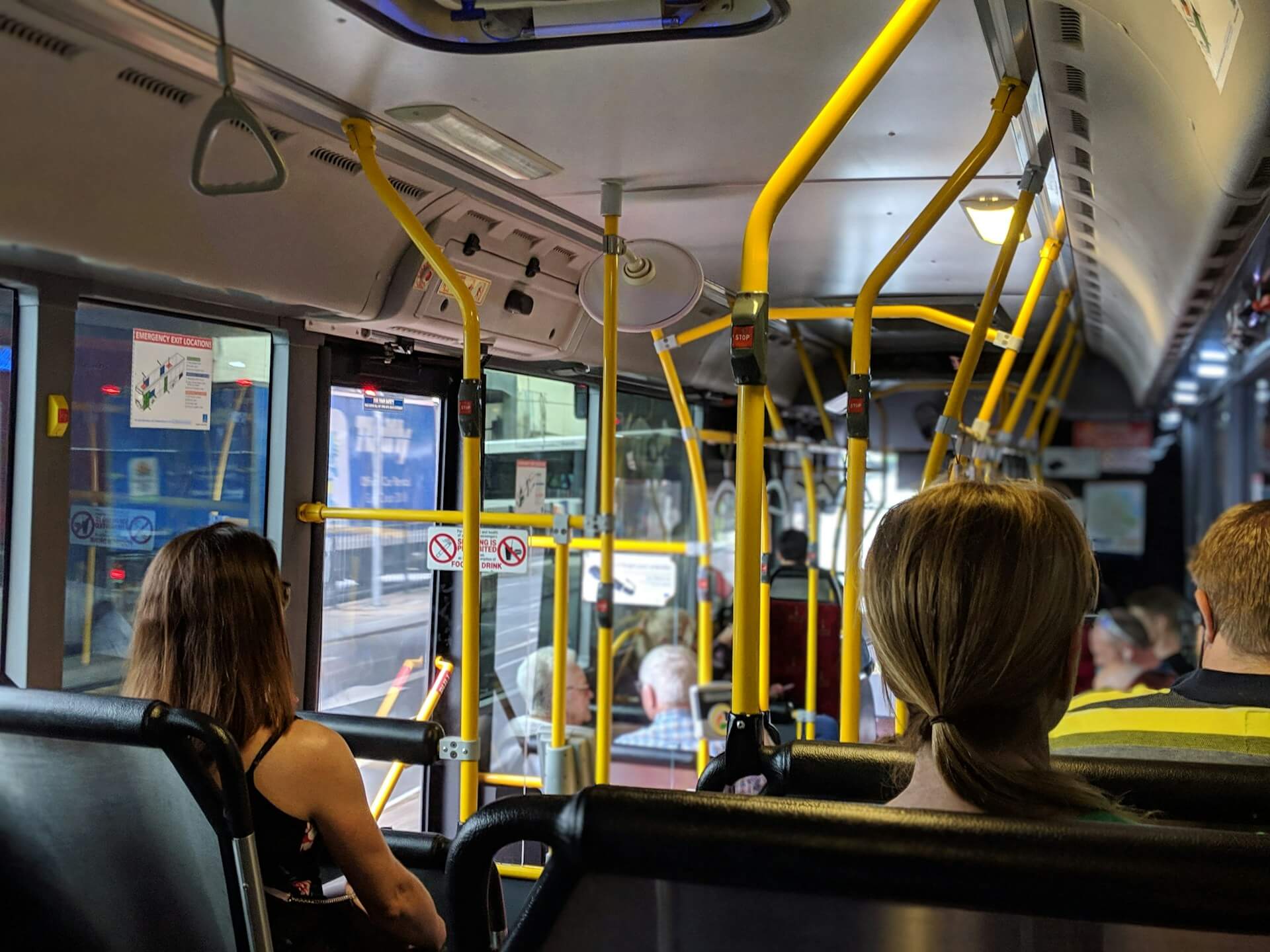
The partnership is the latest turn in a long saga of Edmonton attempting to green its fleets.
The University of Alberta is the latest entity to join the City of Edmonton’s longstanding work to reduce emissions on its fleet of city vehicles.
On Jan. 27, the university announced a partnership with the City and Diesel Tech Industries (DTI), a technology and engineering company focused on innovative transportation tech for commercial fleets and heavy-duty vehicles, to research ways to better integrate hydrogen fuel into the City’s vehicles—including its buses.
Dr. David Gordon, professor at the university’s Department of Mechanical Engineering and co-principal investigator of the project, said the partnership is exploring ways to improve hydrogen combustion and dual-fuel hydrogen-diesel combustion in engines, and to determine the emissions reductions that can be achieved.
“What is the maximum amount of hydrogen fuel you can get into a diesel engine with the minimal amount of effort on retrofitting?”
Dr. David Gordon, University of Alberta.
“The project is: What’s the maximum amount of hydrogen you can get into a diesel engine with the minimal amount of effort on retrofitting?” Gordon said. “So instead of replacing the engine, can we retrofit it to run on hydrogen?”
The partnership follows years of City interest in greening its bus fleet with hydrogen and electric alternatives. However, steep costs associated with replacing diesel buses with hydrogen ones, and early, poor winter performance by EV models, pushed Edmonton toward dual-fuel alternatives.
Presently, Edmonton has 60 electric buses in its fleet, one hydrogen fuel-cell electric bus, and several dual-fuel vehicles, including a waste-collection truck, a transit bus, and two Toyota Mirai EVs.
The partnership is powered by a grant from Emissions Reduction Alberta and the City’s partnership with the Natural Sciences and Engineering Research Council of Canada. If successful, the U of A hopes to expand the vehicle retrofits to other municipalities across Canada.
Increasing the use of hydrogen as fuel has been an economic development goal for the Alberta government, given that the province is the largest hydrogen producer in Canada.
RELATED: University of Alberta receives $500,000 for connected vehicle research
The University of Calgary also recently announced a major hydrogen fuel research project focused on combustion science (the study of how the fuel burns), funded by a $1.27-million grant from Alberta Innovates.
Gordon and his colleague Bob Koch (also a professor in the Department of Mechanical Engineering) are also exploring ways to implement machine learning to better leverage the dual-fuel model.
“One of the students … has been doing work on machine-learning-based model prediction controls,” Gordon said. “Essentially they’ve taken full control of the engine, and we’re getting up to almost 90 percent hydrogen energy replacement at specific [operating] loads.”
That’s significantly higher than 25 to 30 percent replacement rates Gordon said are currently being achieved in engine retrofits.
“The current market focus has been on leaving the production diesel engine controller and then just adding some hydrogen. They kind of call it the downhill effect,” Gordon said. “But you’re limited in how much hydrogen you can put in … so if we don’t have this constraint of the production engine control unit and we control everything, how far can you go?”
Photo courtesy of Unsplash.
BetaKit’s Prairies reporting is funded in part by YEGAF, a not-for-profit dedicated to amplifying business stories in Alberta.