




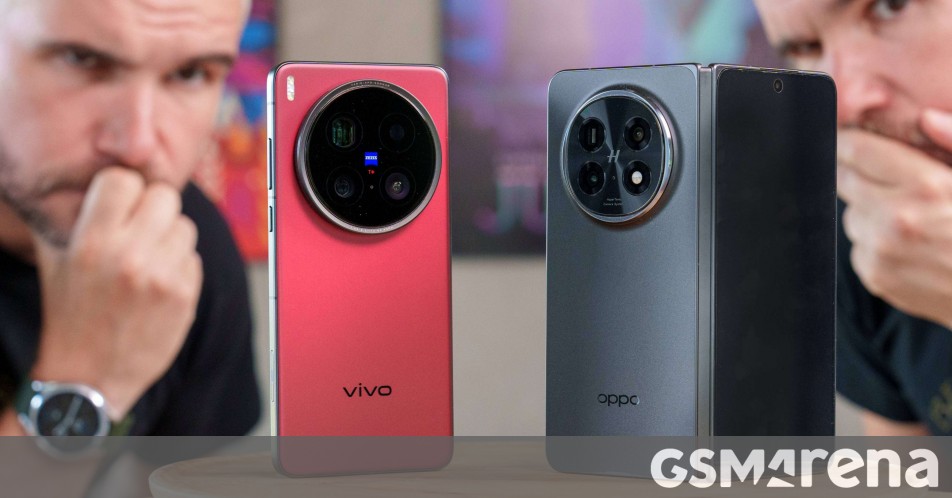
It’s that time of the year again, when we who are lucky to have indulged in the best possible phones all year get to pick our favorites from the past 12 months. That I’m in a very privileged position is not lost on me either, so first and foremost, thank all of you for reading and watching us all year; it’s you who make this all possible!
I’m Ivan, one of the editors here at GSMArena, and the guy who takes the majority of phone shots that grace our homepage! I look at the past entries in this list of mine and notice some not-so-subtle changes. For one, there’s no longer a Samsung phone in my list. When choosing a phone, I put camera performance first, and for me, Samsung hasn’t been competitive in mobile photography for a while now.
For a few years now, I’ve been more and more tempted by foldables. It started with a Galaxy Z Fold4 back in the day, and has only gotten stronger. I want a foldable in my pocket, but one with great cameras. At the end of 2025, I feel like foldable camera systems are nearly at the level I want them to be.
Anyway, let’s proceed to my actual list – these are my top 5 phones of 2025.
Oppo Find N5
This year was a turning point for book-style foldables. They all got great – Samsung’s Galaxy Z Fold7, Honor’s Magic V5, but it all started with the Oppo Find N5 in February.
The Find N5 marked Oppo’s return to foldables after a year’s hiatus, and it was a strong comeback too. Replacing a universally loved Find N3, the Find N5 is a great upgrade, with notable improvements on all fronts. The phone is bigger, which means it has a more useful 6.5-inch cover screen, but it’s also slim and light, so it feels natural when folded. The Find N5 also has a big battery with fast charging and great endurance.
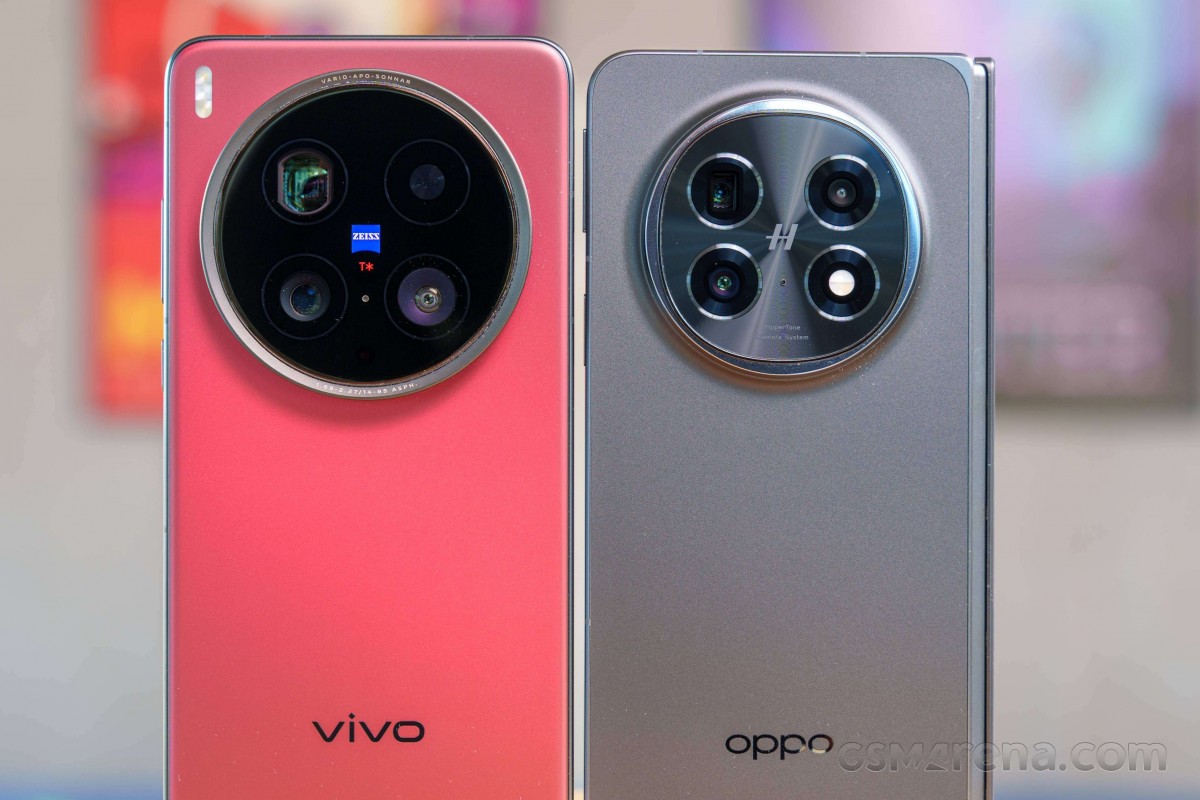
But it wouldn’t be a proper Find N3 successor if the Find N5’s cameras weren’t top class, and luckily they are. The main and telephoto shooters, especially, produce sharp and dynamic photos in all lighting scenarios. It was nearly enough to get me to ditch my vivo X200 Ultra at the time, but I decided against it. You could say Oppo’s true-to-life color reproduction was the thing that made me stay with vivo. I’ve nothing against realistic colors, I just prefer a more punchy and vivid image from my phone’s camera.
Oppo Find N5
Honor Magic V5
The Honor Magic V5 is a close rival to Oppo Find N5. Like the Oppo, it has an excellent design with a slim build and a natural feel when closed. It also packs a big battery that can go all day, though charging is slightly slower.
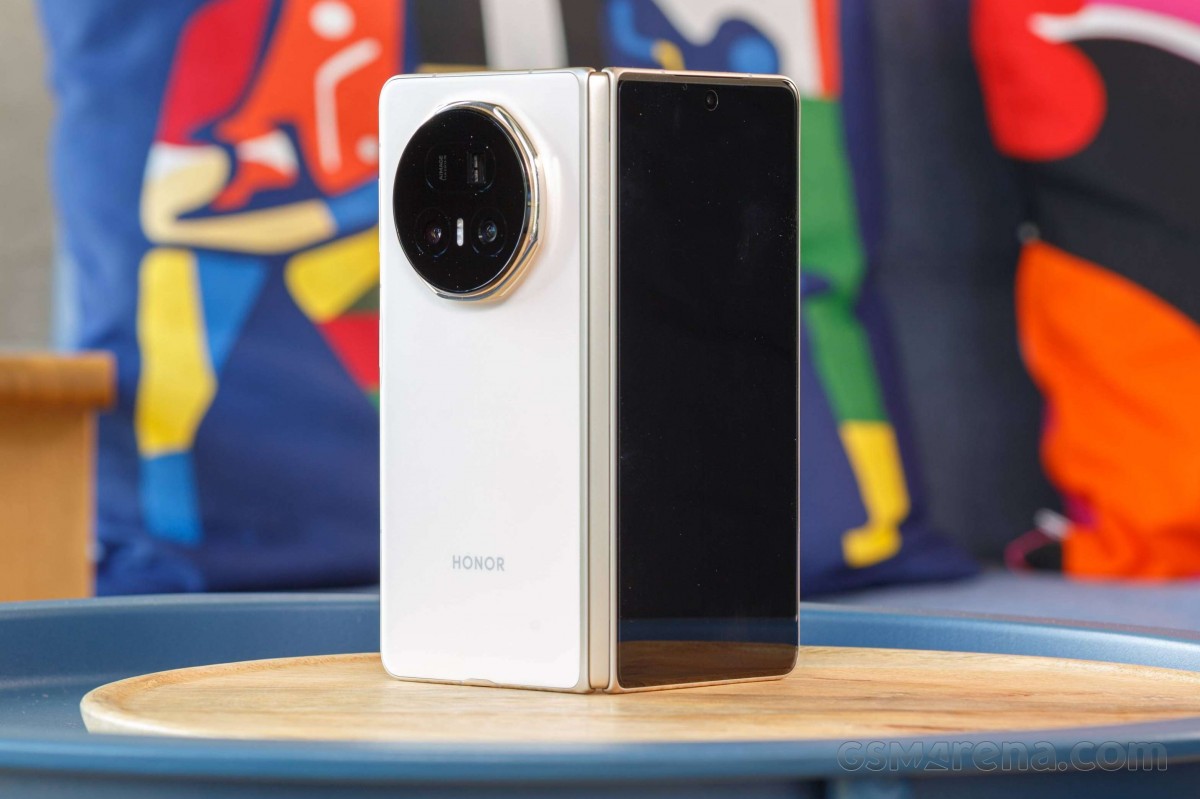
The camera system is also one of the best on a folding phone, easily enough to satisfy most people (if not the Ultra owner that I am). There’s nothing to complain about with the Honor Magic V5, really; it’s a true all-rounder.
I put the Magic V5 slightly above the Find N5 for its livelier camera output.
Honor Magic V5
Oppo Find X9 Pro
I didn’t expect to like the Oppo Find X9 Pro as much as I did. But the moment I got a chance to handle the phone, I was immediately a fan. There’s something special about the way it looks and feels and the way it’s built.
The Oppo flagship has outstanding specs, and it’s globally available, which makes it enticing compared to my China-only vivo X200 Ultra daily driver. The Oppo’s 7,500mAh battery also yields immense battery life, which is always a big plus for me.
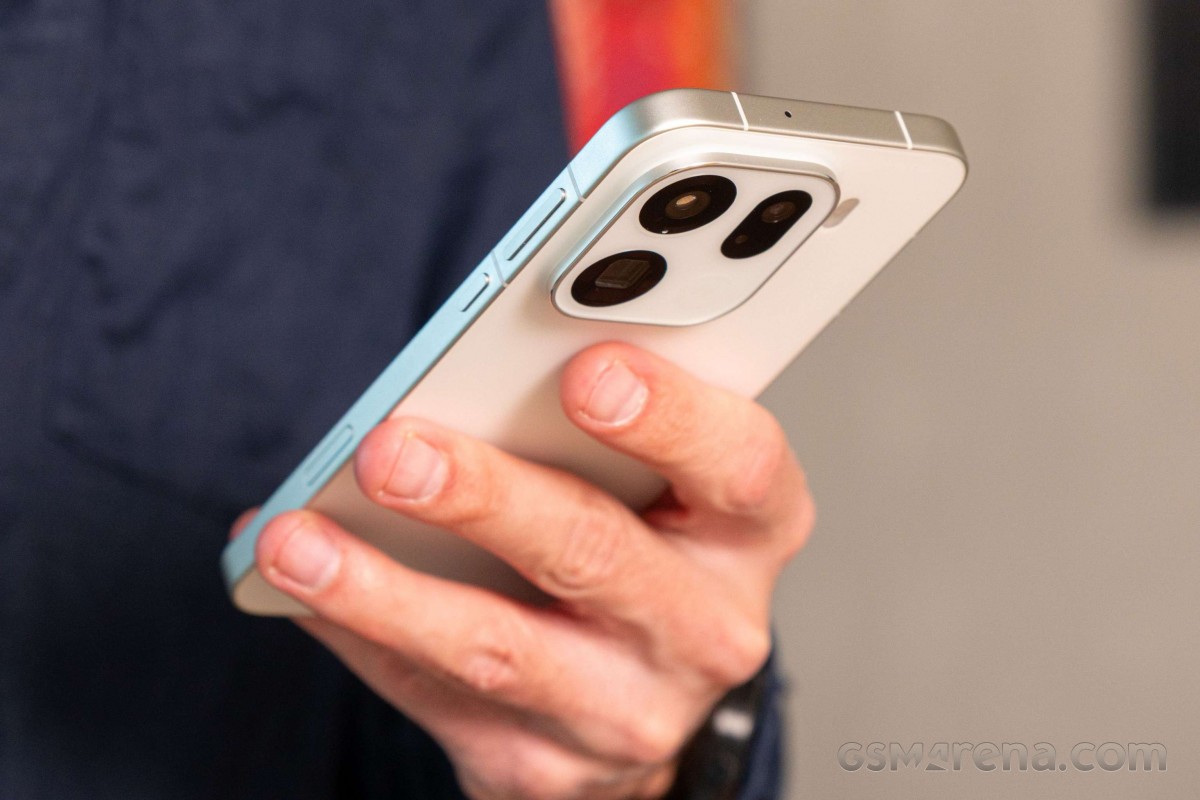
It’s also easily a top 5 cameraphone in 2025. I tried the Find X9 Pro for about a week and loved everything about it. Ultimately, however, after a quick side-by-side shootout with the vivo X200 Ultra, I decided to stay with the vivo. Its photos are punchier and contrastier. Vivo has truly struck a golden balance, in my eyes, with its imaging processing.
Oppo Find X9 Pro
Huawei Mate X7
This is the latest chance for a foldable to drive me away from my beloved vivo. It’s too early yet to tell if the Huawei Mate X7 has the best camera on a foldable around, but it sure looks like it on paper. We’re still working on the full review, but if the samples we got from the foldable in Dubai are anything to go by, it’s very, very capable indeed.
The 16/512GB model comes with a superior 1/1.28-inch 50MP main camera (you get an inferior 1/1.56-inch 50MP on the 12/256GB unit), and its 81mm f/2.2 zoom sounds appealing. And here’s something you won’t get from reading articles online – Huawei’s foldable feels the best in the hands. It’s expertly made and somehow looks the classiest (to this editor’s eyes, at least) among its book-style peers.
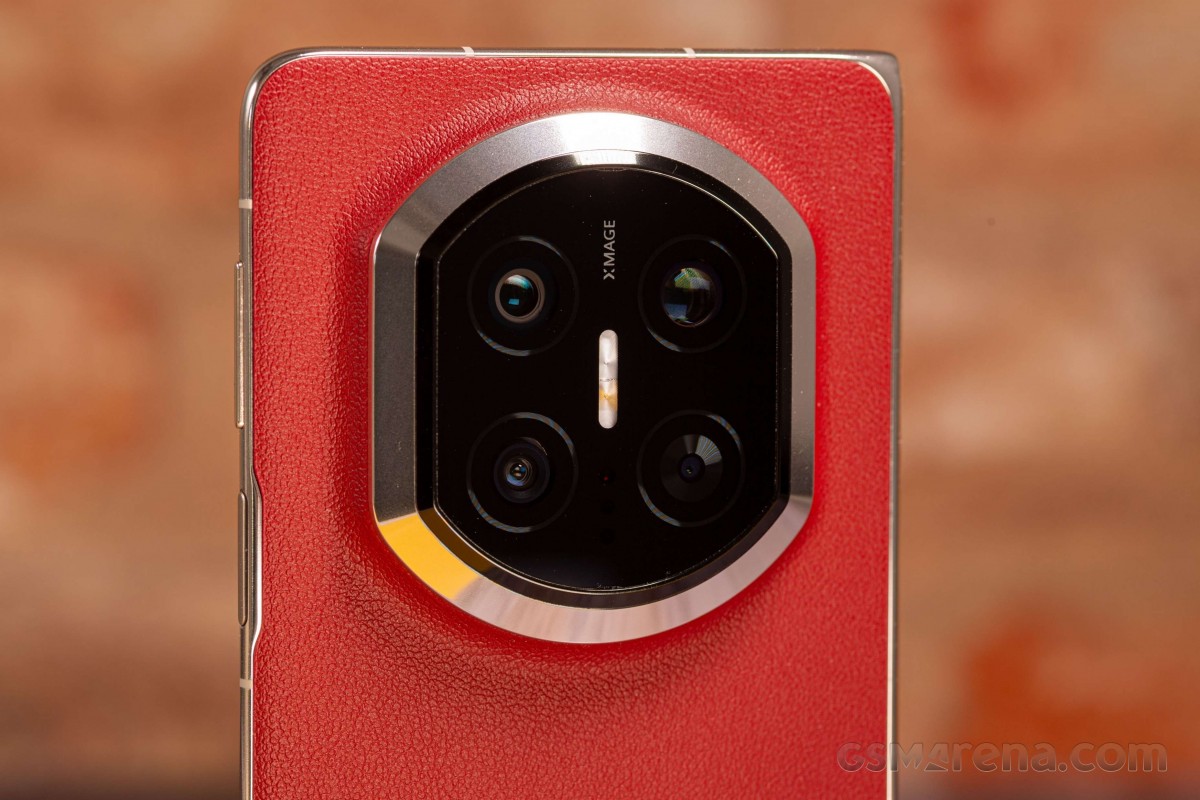
Being a Huawei phone, it means that there are some limitations. The Mate X7 uses Huawei’s custom silicon in the Kirin 9030 Pro. Performance and smoothness feel perfectly fine, but I expect battery life to be an issue compared to foldables with Qualcomm and MediaTek’s latest chips.
Still, I’m excited to read our full review and then to give the Huawei Mate X7 a thorough test of my own.
What’s with OnePlus and Xiaomi?
By now, it’s pretty clear which phone is my favorite of the year, but before we get to the vivo X200 Ultra, I want to lament a bit. I used to be a big OnePlus fan, and I was very excited when the maker started getting serious about cameras on its phones, starting with the OnePlus 9 Pro and its 1/1.43-inch main camera. The OnePlus 13 kept the momentum going in 2024, but in 2025, the OnePlus 15 made a serious misstep with its camera system, moving back to a 1/1.56-inch main camera and a smaller-sensor zoom.
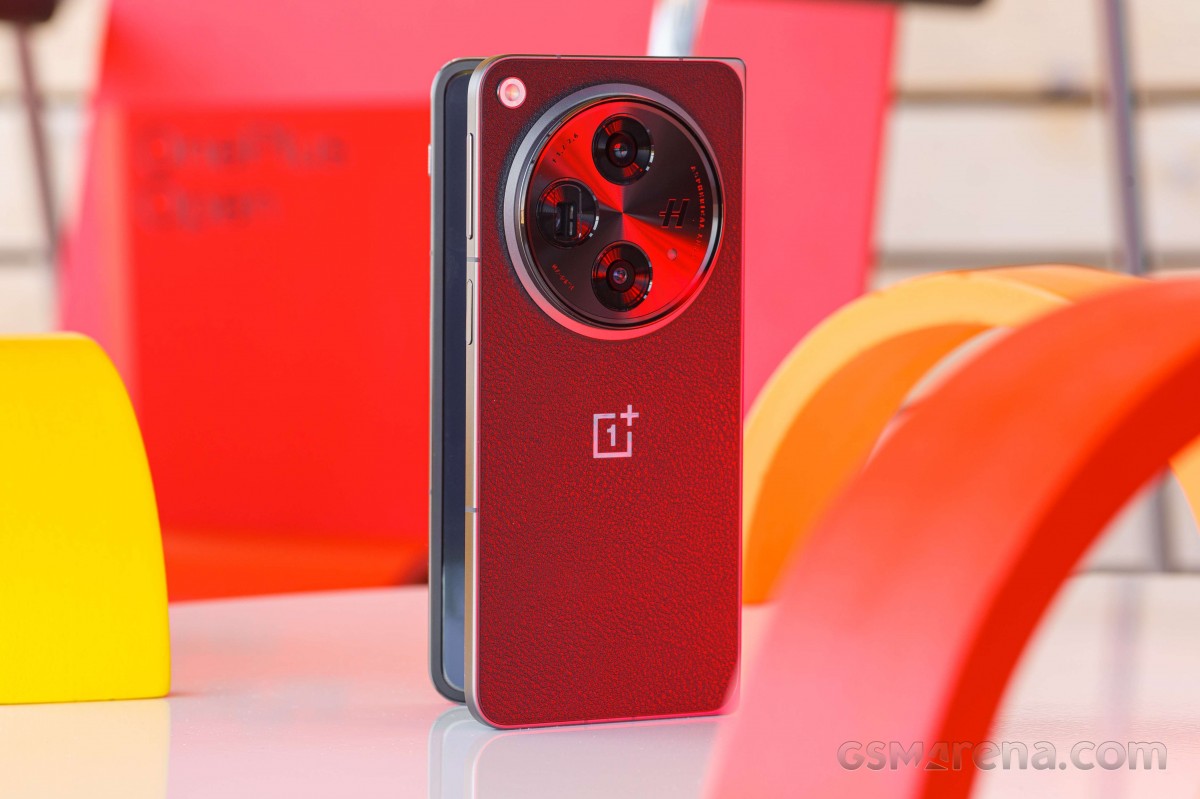
Then there was the OnePlus Open – the first great foldable for photographers. It had a lot going for it, but OnePlus stopped making foldables right then and there. It’s made OnePlus a less-serious flagship maker in my eyes, and I can’t help but wonder why it backtracked on cameras. Probably for the sake of slimming down, something I’m not a fan of.
Then there’s Xiaomi. Maker of the Xiaomi Ultra, a perennial easy choice for the best cameraphone of any given year, and of the Mix Fold – on paper, the foldable with the most complete camera system.
And yet, Xiaomi didn’t make a book-style foldable in 2025, leaving us with the Mix Fold 4 from 2024. Even at a year old, the Mix Fold 4 is not looking too bad in 2025 with two zoom cameras – a 47mm f/2.0 and a 115mm f/2.9. But it just makes me wonder what could have been if we’d gotten a Xiaomi Mix Fold 5 this year.
vivo X200 Ultra
At this point it’s hardly a surprise that the vivo X200 Ultra is my favorite phone of 2025. I graduated to it from the vivo X100 Ultra, which I absolutely adored, and I loved all the changes vivo made in its second generation. The 35mm main camera is a joy to have and is the closest thing to a dedicated camera on a phone. While most main cameras are 23-24mm, the 35mm is more akin to something like the Fujifilm X100 series, which also has a 35mm fixed camera. It’s the ideal documentary focal length and is just very natural to both use and to look at the photos it produces.
Then there’s the 85mm zoom, which has gotten better than last year, thanks to a brighter f/2.3 lens. It’s now better in low light and produces creamier bokeh. Then there’s the new 14mm ultrawide with a huge 1/1.28-inch sensor, which absolutely spanks! This shooter is immense in low light, and it’s ideal for walkabout videos when traveling.
I just love vivo’s (and Zeiss’) colors, contrast, and overall processing of the photos on the X200 Ultra. There’s an extra layer of depth and feeling to its photos that I can’t match anywhere on the market. Images from this phone absolutely sing, and I constantly get impressed comments from friends and family about just how good they look compared to their photos.
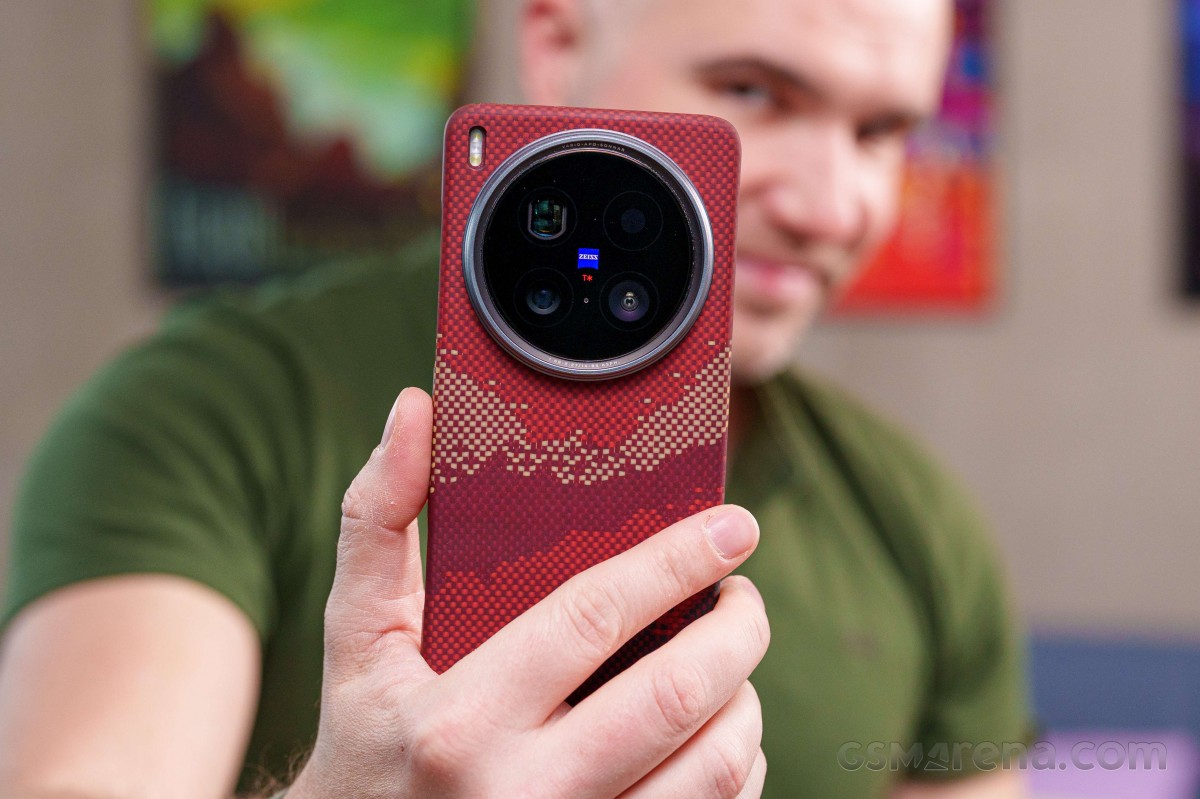
The vivo X200 Ultra is a China-only phone, but I make it work and live with its limitations. The cameras are just that amazing. It helps that OriginOS is so fresh and nice to use. To me, Funtouch was rather ugly, so I’m glad that global vivos finally made the move over to Origin. Still, I’d love a global vivo X300 Ultra in 2026!
Here are some of my favorite shots taken with the vivo X200 Ultra.



























vivo X200 Ultra, assortment















vivo X200 Ultra, assortment