




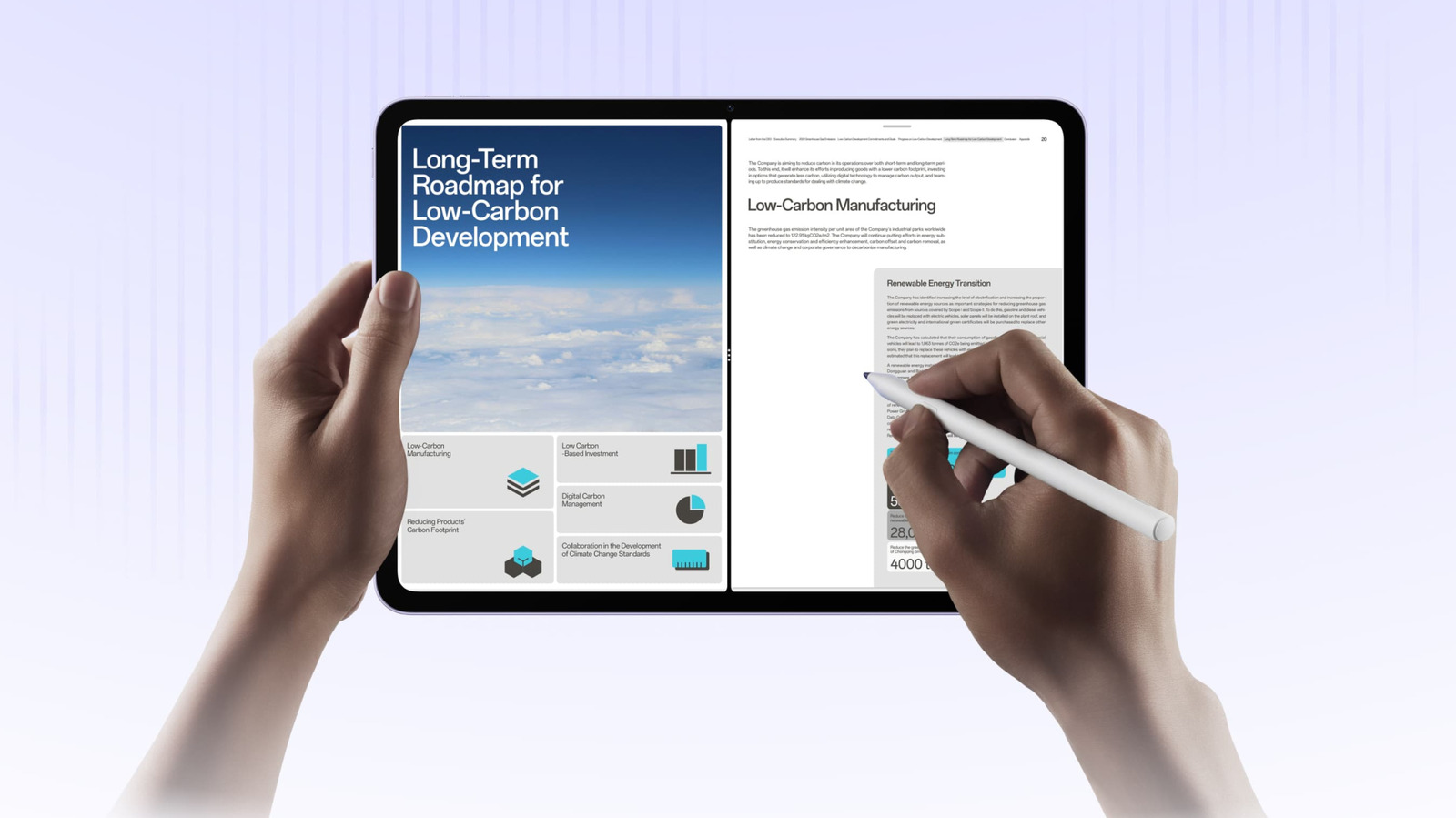
Shopping for a tablet? Maybe you’ve come across the OnePlus Pad Go 2 in your searches — and what a time to find it. The predecessor to this mid-tier Android slab never officially made it to North America, as the flagship OnePlus Pads did, but the Chinese tech firm did release the Pad Go 2 on the coattails of the November 2025 launch of the OnePlus 15. And then, in June 2026, the company announced its exit from our market, and we were left asking whether there was any point to buying a OnePlus gadget.
The greatest concern would be software updates and OnePlus’s in-house repair warranties. If you live in North America or Europe, OnePlus has confirmed that it will continue those services to devices in these regions for as long as they’re guaranteed. In the case of the OnePlus Pad Go 2, the company’s UK branch has disclosed that the support window goes up to the end of 2031. Customer representatives in India have told inquirers that the tablet will get three generations of Android OS upgrades, though users on the OxygenOS interface will have to acclimate themselves to ColorOS if they want said upgrades.
If five years of security updates are good enough for you, the question then becomes whether the OnePlus Pad Go 2 is even a good deal right now. After all, little stock remains at official retailers and its $400 MSRP has stubbornly stuck around. With that framing in mind, it’s got an uphill battle against competition from Samsung and Lenovo.
How does the OnePlus Pad Go 2 stack up to other Android tablets?
The short take from our review of the OnePlus Pad Go 2 is that it provides great value for everyday use, even if the tablet doesn’t particularly wow us. The 12.1-inch IPS (In-Plane Switching) display doesn’t do HDR but can outshine annoying sunlight. The 10-ampere-hour battery maximizes off-the-wall time, while the 33-watt rating means charging speed is OK but not great. For gamers, the MediaTek Dimensity 7300 Ultra with 8 gigabytes of LPDDR5X RAM makes for a decently powerful package. Sadly, accessories like a stylus or a folio case do not come in the box, so productive, artsy types will need to spend a bit extra for those items.
Samsung has a couple of options in the $400 region, but we’d rank the $330 Galaxy Tab S10 Lite above the $450 Galaxy Tab S10 FE. The spec sheets on both slabs fall short of the OnePlus Pad Go 2, but you’re not missing much more from the Lite than the FE in terms of battery and screen resolution. Plus, both offer a stylus in the box! Meanwhile, Lenovo scores big in the panel quality and silicon sweepstakes: The $350 Idea Tab Pro Gen 2, for example, has a 13-inch display, a Qualcomm Snapdragon 8s Gen 4 chipset, and faster charging than the OnePlus Pad Go 2. The $420 Yoga Tab is slightly older, but still has flagship specs plus a punchy OLED display. Both come with a keyboard case and stylus in the box.
If you’re looking for a tablet to enjoy content on, the Pad Go 2 strikes a good balance between what Samsung and Lenovo have to offer. Those who want to work and create on their tablets might want to look elsewhere.